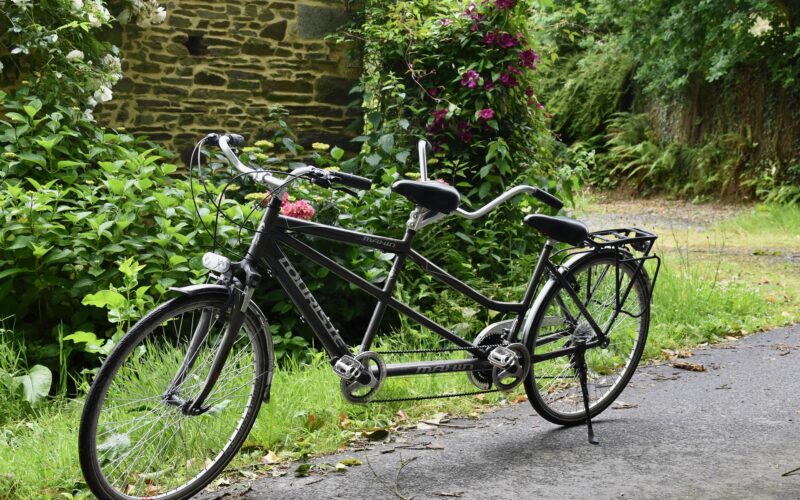
Riding a bicycle built for two might look like a romantic activity straight from a postcard, but it is far more than just a leisurely pedal through the park. Tandem cycling is a complex dance of balance, power, and synchronicity that demands a unique level of partnership. It serves as a powerful metaphor for any relationship, exposing strengths and weaknesses in communication and trust. Succeeding on a tandem requires two individuals to function as one, turning a simple bike ride into a profound exercise in cooperation.
The captain and the stoker
A tandem bicycle has two distinct roles: the "captain" at the front and the "stoker" at the back. The captain is responsible for steering, braking, and changing gears, essentially navigating the path ahead. They hold the primary responsibility for the bike's direction and safety. The stoker, meanwhile, provides a significant portion of the pedal power and must completely trust the captain's judgement. This division of labour is non-negotiable and requires both partners to fully embrace their roles. The stoker must learn to let go of control, a significant challenge for many, while the captain must be a confident and considerate leader.
Communication is paramount
On a tandem, silent assumptions lead to wobbles, missed gear changes, and potential disaster. Effective communication is not just helpful; it is essential for a smooth and safe journey. The captain must clearly signal their intentions before acting. This includes announcing upcoming turns, warning of bumps in the road, and stating when they plan to start or stop pedalling. Simple, clear commands like "slowing," "stopping," "bump," or "turning left" become the soundtrack to a successful ride. The stoker, in turn, needs to listen intently and can provide valuable feedback about pace or comfort. This constant dialogue builds a rhythm and ensures both riders are prepared for what comes next.
Building a foundation of trust
The stoker's experience is entirely built on trust. They cannot see the road ahead clearly and must have complete faith that the captain will navigate safely and effectively. This involves trusting them to avoid obstacles, brake in time, and choose the right gear for a hill climb. For the captain, trust is also key. They must trust that the stoker will provide consistent power, stay balanced, and follow their lead without hesitation. This shared vulnerability forges a powerful bond. When trust is solid, the team can tackle challenging routes with confidence, knowing they have each other's back.
Navigating challenges together
Every tandem journey will have its challenges. An unexpected steep hill, a sudden downpour, or navigating busy city traffic can test the patience and coordination of any pair. These moments are where the strength of the partnership is truly tested. Blaming each other for a missed gear shift or a wobbly start is counterproductive. Instead, tandem cycling teaches couples to problem-solve collaboratively. It encourages them to discuss what went wrong, adjust their technique, and try again. Overcoming these hurdles together strengthens their ability to handle difficulties off the bike as well.
Tips for a successful tandem journey
To make your tandem experience a success, start with the basics. Begin in a safe, open area like an empty car park to practise starting, stopping, and turning. Establish a clear set of verbal cues before you even set off. Be patient with each other; mastering the synchronised pedalling and balance takes time. It is also wise for partners to try swapping roles (if physically possible) to better understand and appreciate the challenges of each position. Most importantly, keep a sense of humour. There will be awkward moments and miscommunications, but laughing them off is part of the fun.
Ultimately, tandem cycling is a rewarding activity that offers much more than physical exercise. It is a practical lesson in teamwork, requiring perfect alignment of goals, seamless communication, and unwavering trust. The skills honed while pedalling in unison—patience, clear communication, and mutual reliance—are the very same ones that underpin strong and lasting relationships. By learning to navigate the road together on two wheels, partners can become better equipped to navigate life's journey together, too.